- DADINC HANDYMAN SERVICE LLC. The Reliable Home Improvement Repair Service and Bathrooms & Kitchen Renovators of Lee’s Summit
- 24 Hour Emergencys Please Call Us After-Hours with No Extra Cost-No Hidden Fees
- Blog Guidance for homeowners When DIY Might Not Be the Best Choice.
- Frequent Asked Questions
- Privacy policy For DADinc Handyman Service LLC Website
- CAN WE INTRODUCE OUR ALL STAR STARTING LINEUP
- Terms of Service
- Home Repair Services Available
- What About Us at DADinc.
- Services and Pricing list
- Customer Reviews
DIY Drywall Repair: Patching and Texturing Techniques


Repairing drywall can seem like a daunting task, but with the right tools and techniques, it's a manageable DIY project. Whether you're dealing with small dents or large holes, knowing how to patch and texture drywall is a valuable skill for any homeowner.
Identifying the Damage
Before you start, it's important to assess the extent of the damage. Small dents and dings can usually be fixed with a bit of spackle, while larger holes may require a patch. Knowing what you're dealing with will help you choose the right method and materials.
Small Dents and Dings
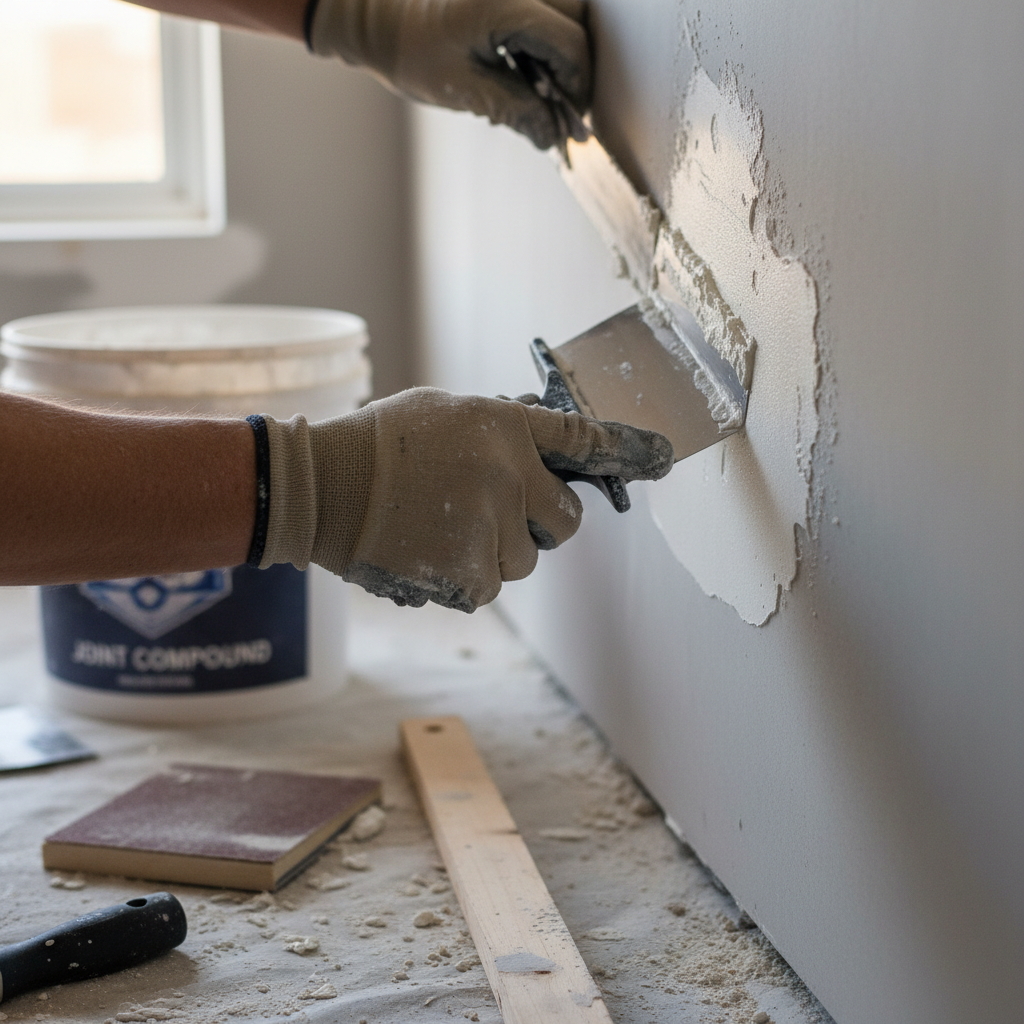
For minor imperfections, use a putty knife to apply a small amount of spackle or joint compound. Smooth it over the dent, feathering the edges to blend with the surrounding wall. Once dry, sand it lightly for a seamless finish. It's a quick fix that makes a big difference.
Patching Larger Holes
For larger holes, you'll need a drywall patch. Start by cutting a piece of drywall that fits the hole. Secure it with drywall screws, ensuring it's flush with the wall surface. Apply joint compound around the edges and over the screws, smoothing it with a putty knife.
Applying Joint Compound
Once the patch is in place, apply joint compound in thin layers. Allow each layer to dry completely before applying the next. Sand between layers to maintain a smooth surface. This process may take a couple of days, but patience is key to achieving a professional look.
Texturing Techniques
Texturing adds a finished look to your drywall repair. There are various techniques to choose from, depending on your desired aesthetic. Some popular methods include knockdown, orange peel, and slap brush. Each method requires different tools and techniques, so choose one that suits your style.
Knockdown Texture
To create a knockdown texture, if you don't have a texture gun you can, apply joint compound with a trowel or roller. Before it dries, use a knockdown knife to gently flatten the peaks. This technique provides a subtle, textured finish that hides imperfections well.
Finishing Touches
Once your patching and texturing are complete, it's time for the finishing touches. Prime the repaired area to ensure even paint coverage. Then, paint the entire wall or just the repaired section, blending carefully to match the existing color. Your wall will look as good as new!
By following these steps, you can tackle drywall repairs with confidence. With a little practice, you'll master patching and texturing techniques, keeping your home looking its best.